For many young people today, home no longer appears as a reachable future destination, but a condition shaped by constraint, repetition, and delay. What was once imagined as a personal achievement is increasingly structured by systemic limits, often described as a “crisis of imagination” (Mark Fisher).
Not Yet Sayable: Latent Homes begins from a different premise: imagination has not disappeared, but remains latent within everyday life. Through a participatory system, fragments of lived experience are articulated, translated, and accumulated into an evolving spatial field where new ways of imagining dwelling can emerge collectively.
This project is being developed through participatory workshops and public exhibition formats, engaging with young people in real-world contexts.
오늘날 많은 청년 세대에게 집은 더 이상 도달 가능한 미래의 목적지로 보이지 않는다. 그것은 제약, 반복, 유예에 의해 형성되는 하나의 조건이 되었다. 한때 개인의 성취로 여겨졌던 집은 이제 점점 더 구조적 한계 속에서 결정되며, 이는 종종 마크 피셔가 말한 ‘상상력의 위기’로 설명된다.
Not Yet Sayable: Latent Homes는 다른 전제에서 출발한다. 상상력은 사라진 것이 아니라, 일상 속에 잠재된 상태로 남아 있다. 참여형 시스템을 통해 삶의 파편적 경험들은 발화되고, 번역되며, 축적되어 새로운 거주의 상상이 함께 발생할 수 있는 진화하는 공간 장으로 형성된다.
이 프로젝트는 실제 청년 세대와 함께 참여형 워크숍과 공공 전시 형식을 통해 발전되고 있다.
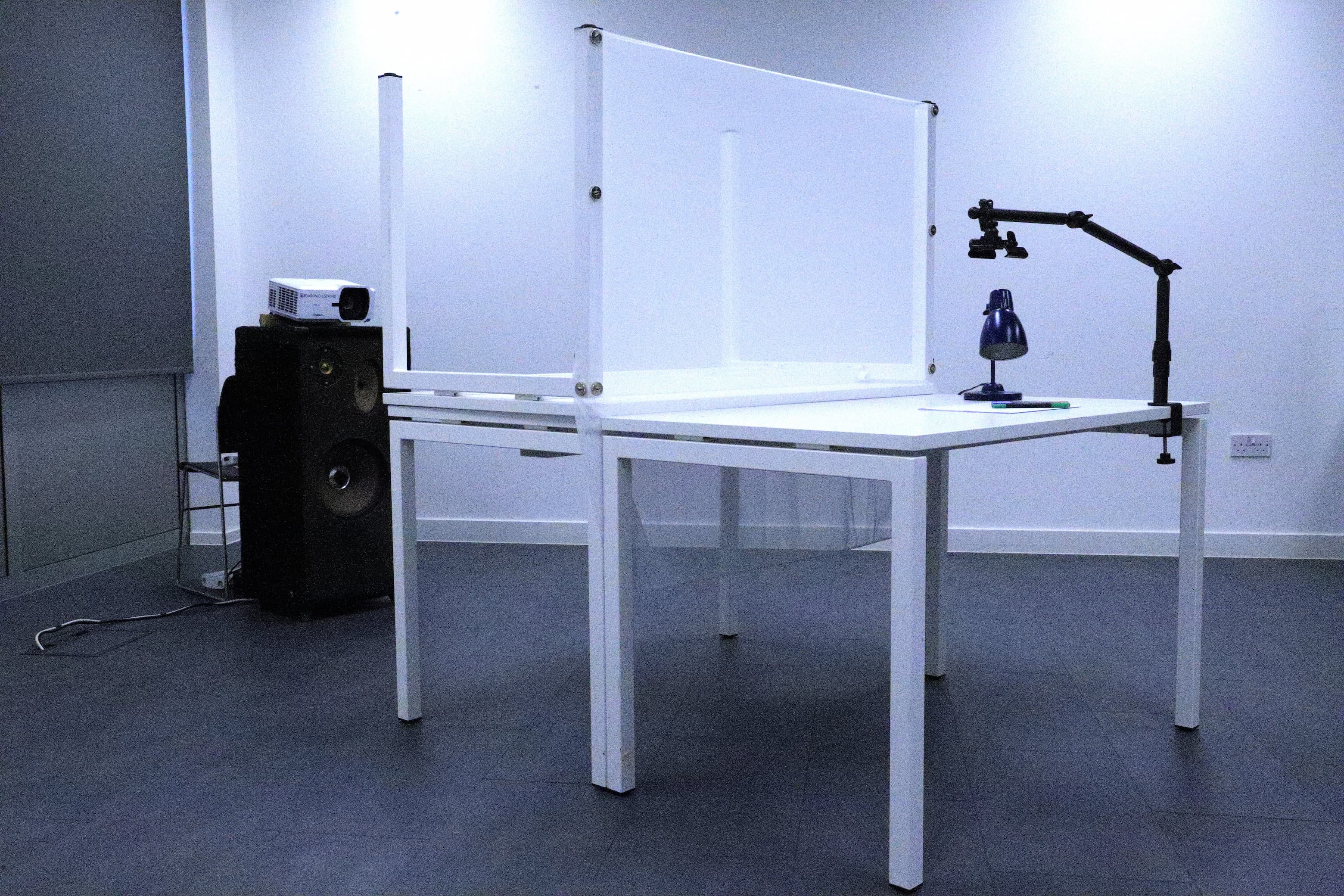
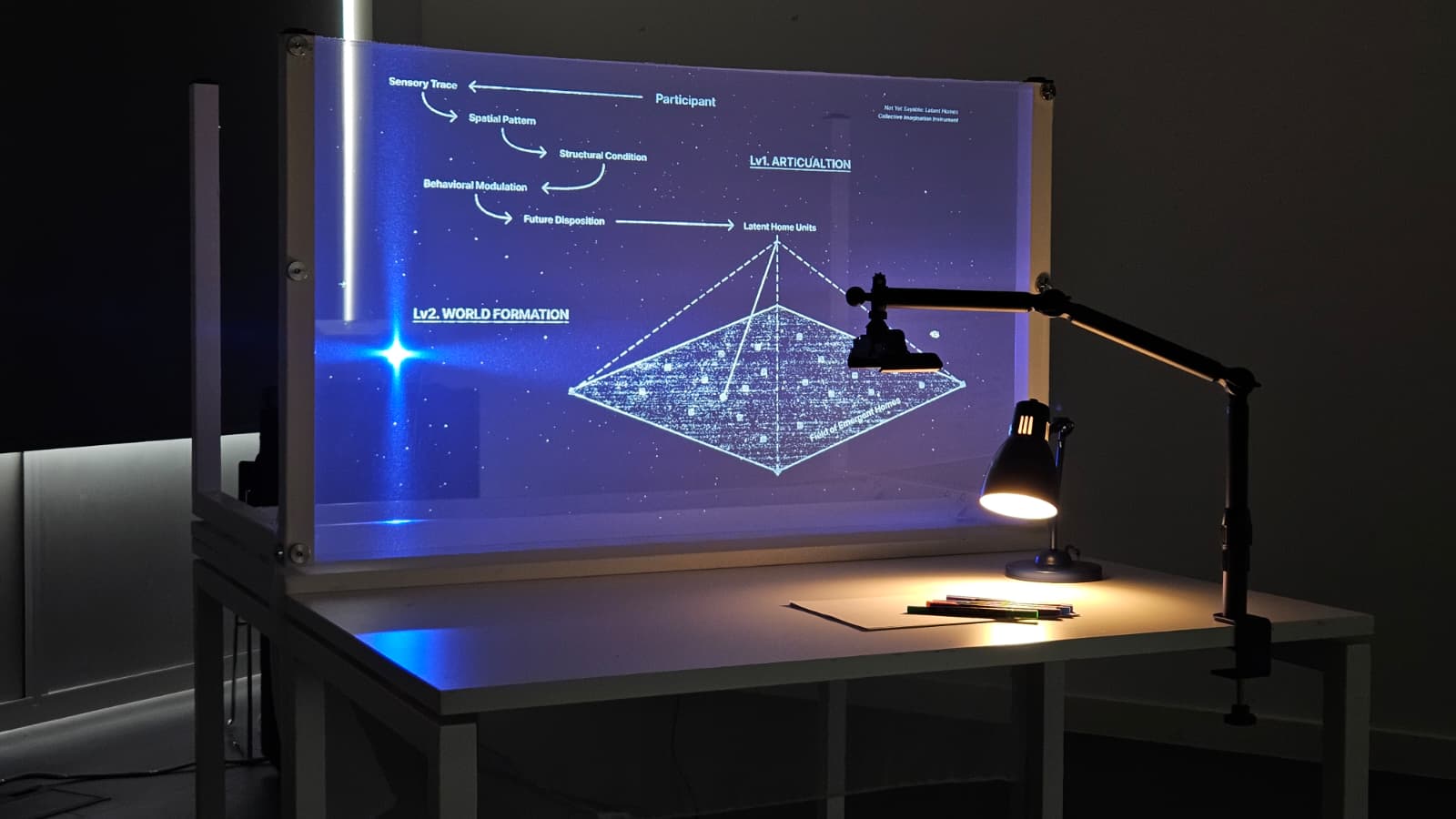
The project operates through the Imagination Activation System, a participatory mechanism designed to re-engage younger generations with the imagination of home. Rather than producing fixed outcomes, it creates conditions for articulation, translation, and accumulation.
Participants contribute memories, sensations, and traces of everyday constraint. These are transformed into imagination units that do not remain as representations, but become active elements within a collective spatial field. The project is not about describing future homes, but exploring how home might become collectively thinkable again.
프로젝트는 상상 활성 시스템을 통해 작동한다. 이는 젊은 세대가 집에 대한 상상력과 다시 연결될 수 있도록 설계된 참여형 장치이다. 고정된 결과물을 만들어내기보다, 이 시스템은 표현, 전환, 축적이 일어날 수 있는 조건을 만든다.
참여자들은 기억, 감각, 일상의 제약에 대한 흔적을 제공한다. 이것들은 단순한 재현으로 남지 않고, 집단적 공간 장 안에서 작동하는 상상의 단위로 전환된다. 이 프로젝트는 미래의 집을 묘사하는 것이 아니라, 집이라는 개념이 다시 함께 사유될 수 있는 조건을 탐구한다.
 Level 1: Articulation
In an era when the future of home has become difficult to imagine, how might it be articulated again?
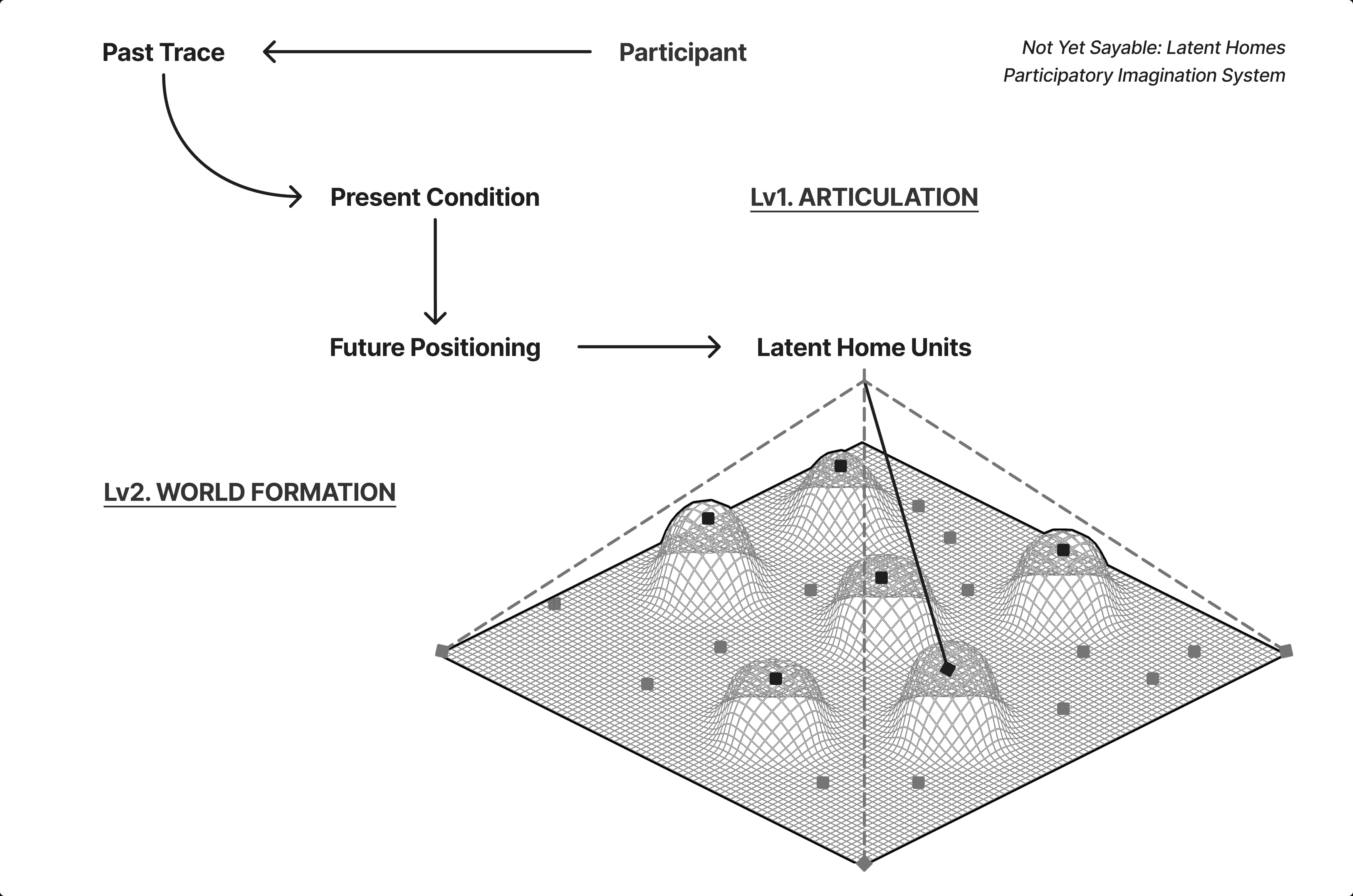
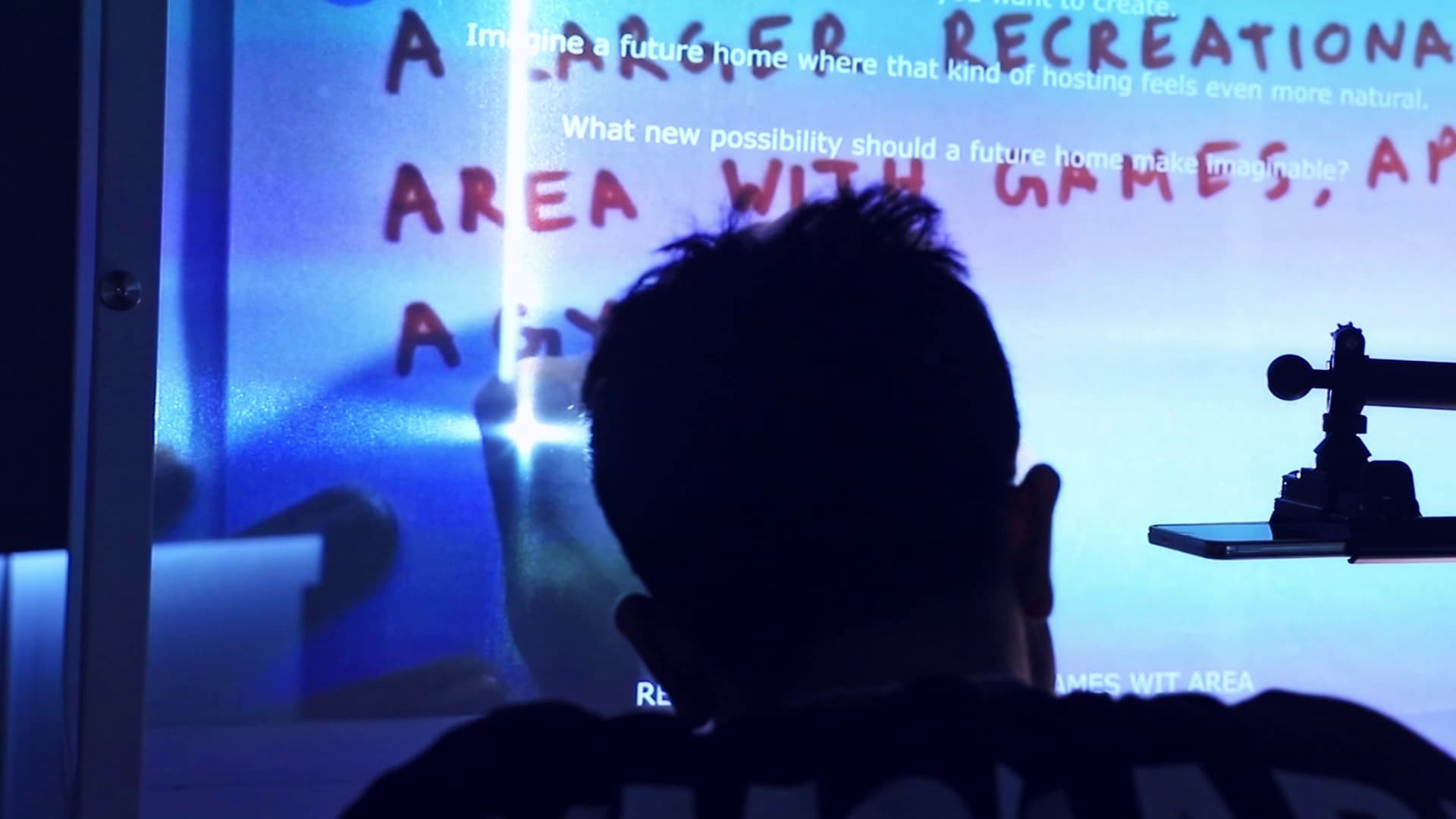
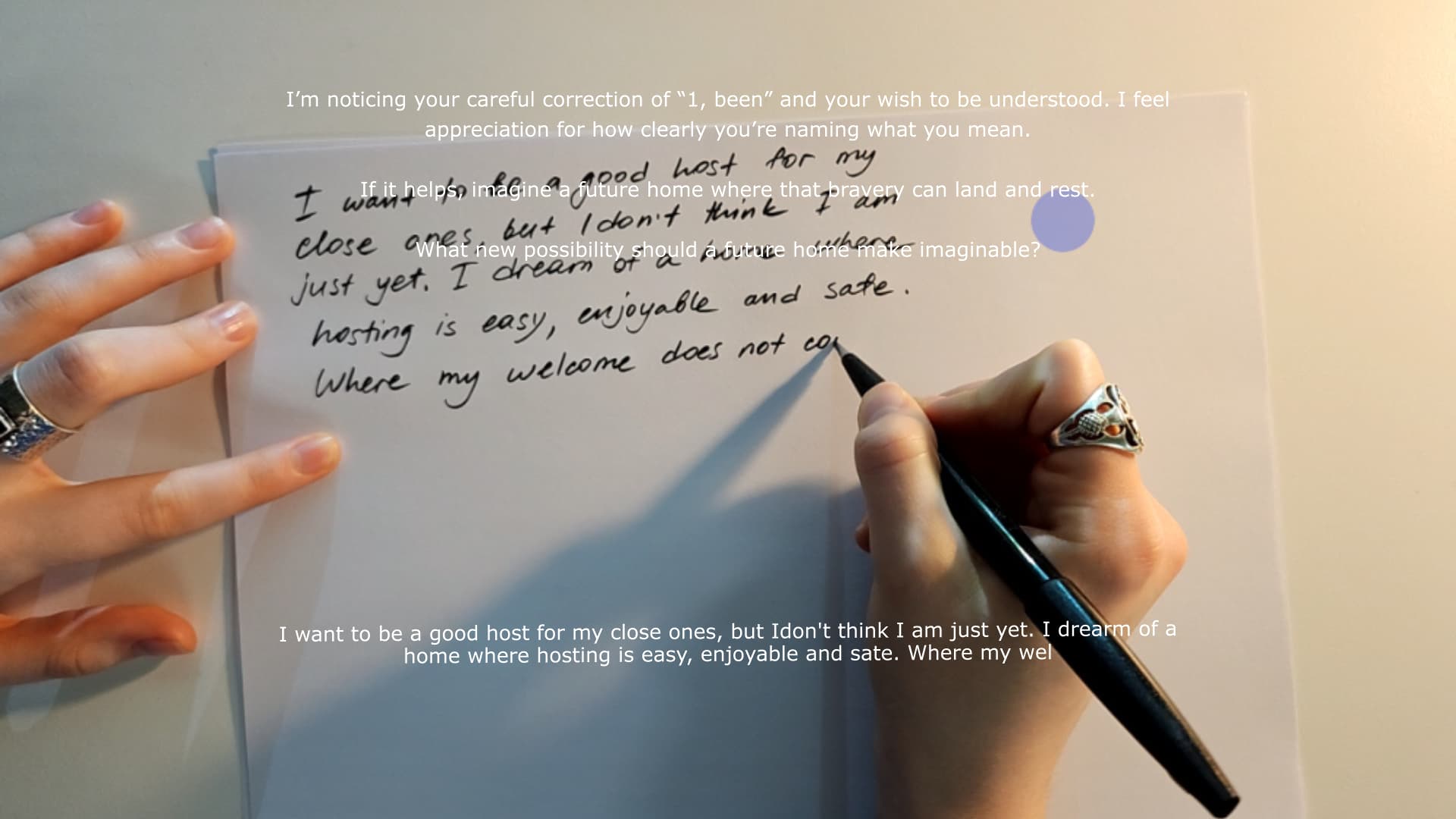
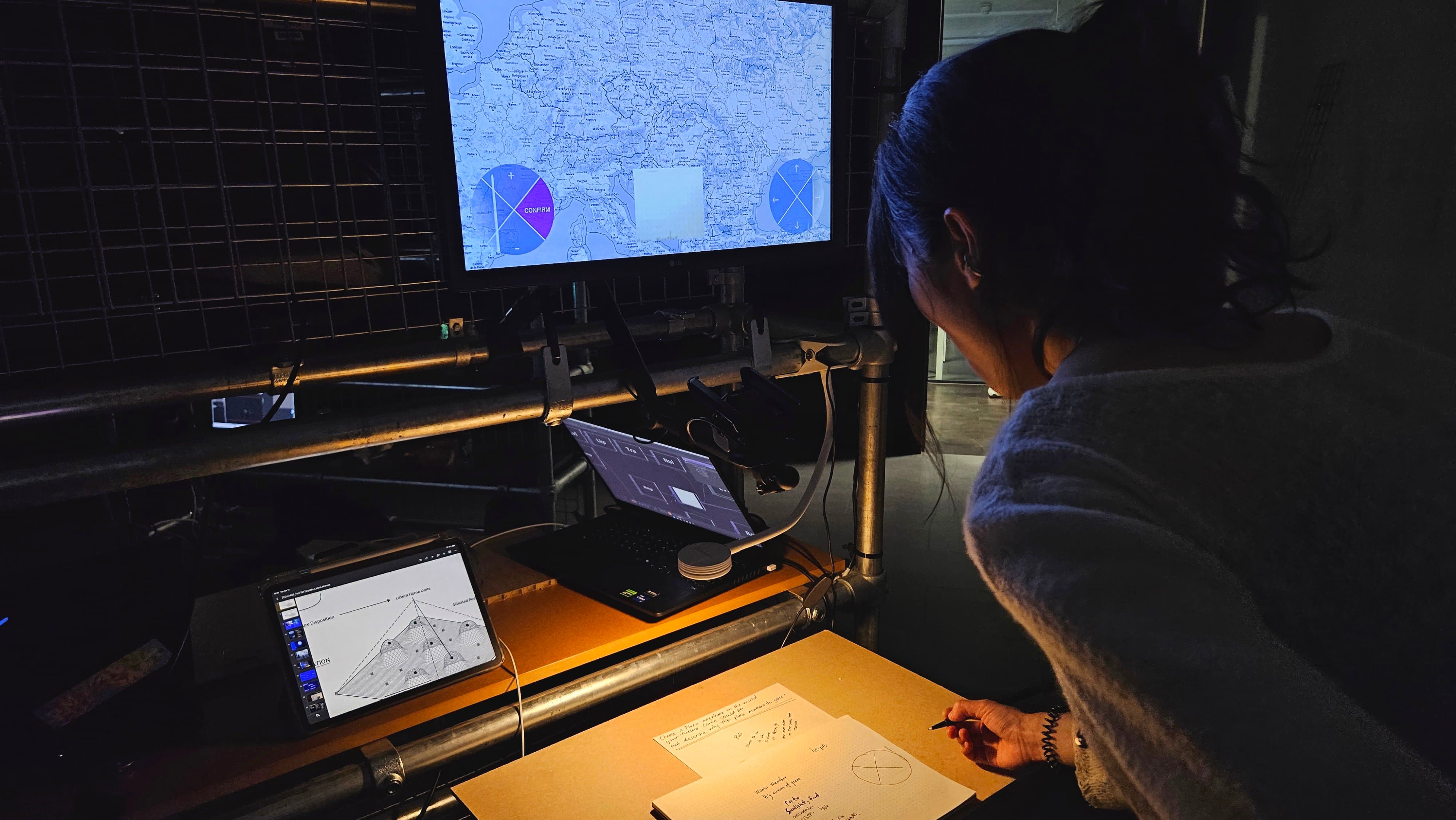
Imagination has not disappeared, but has become difficult to express. Through a participatory instrument, participants articulate fragments of home through sensory traces, memories, present conditions, and anticipations.
Rather than producing coherent narratives, the system opens a space where constrained imagination can begin to take form. This process unfolds through guided sessions in which participants reflect on their own lived experiences.
상상력은 사라진 것이 아니라 표현되기 어려워졌다. 참여형 장치를 통해 참여자들은 감각의 흔적, 기억, 현재의 조건, 미래에 대한 예감 속에서 집의 파편들을 드러낸다.
완결된 서사를 만드는 대신, 시스템은 제약된 상상력이 형태를 갖기 시작하는 공간을 연다. 이 과정은 참여자들이 자신의 삶의 경험을 돌아보는 가이드 세션을 통해 진행된다.

 Level 2: World Formation
If fixed structures gave way to memory, desire, and imagination, what kind of shared space might take form?
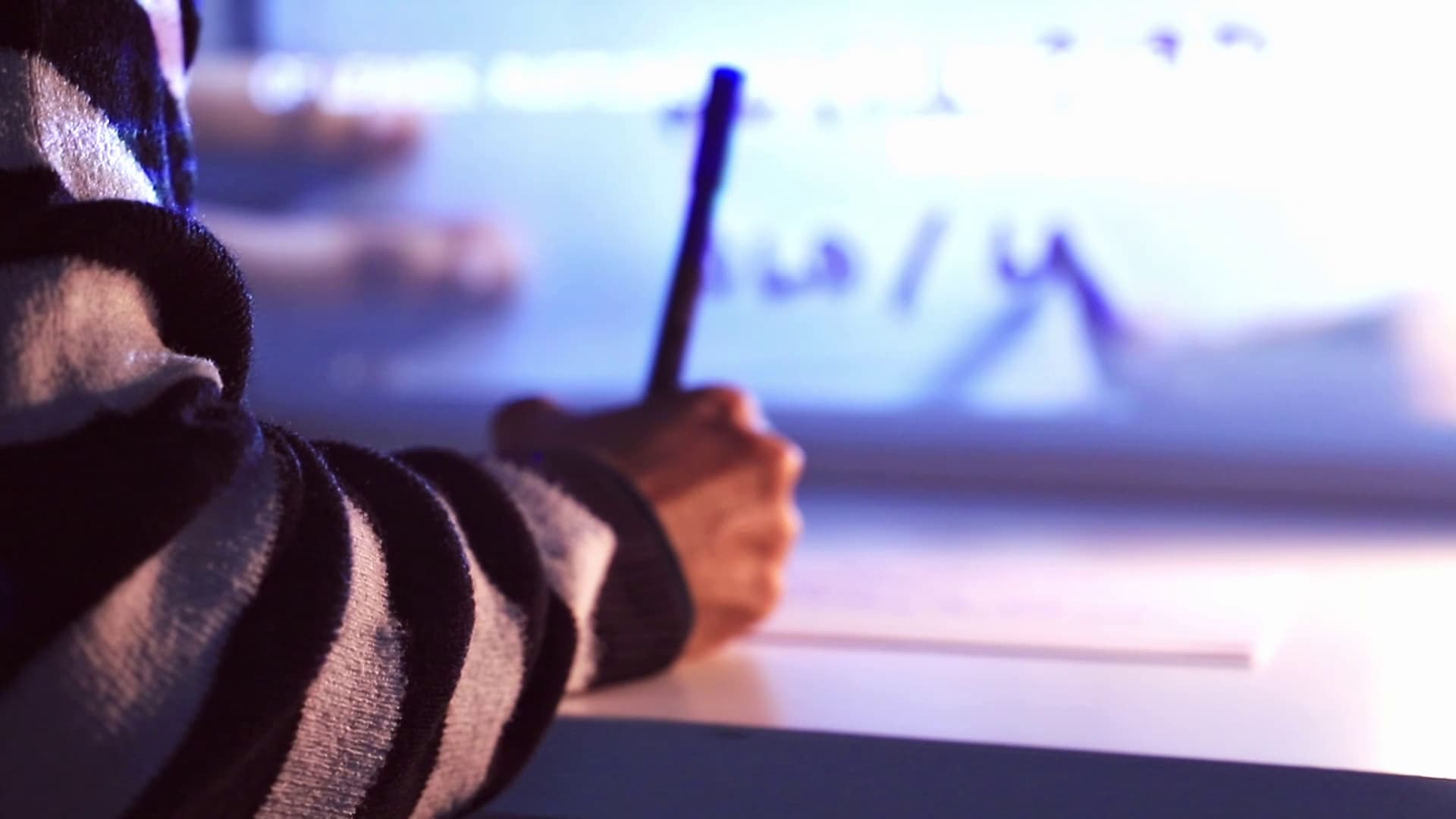
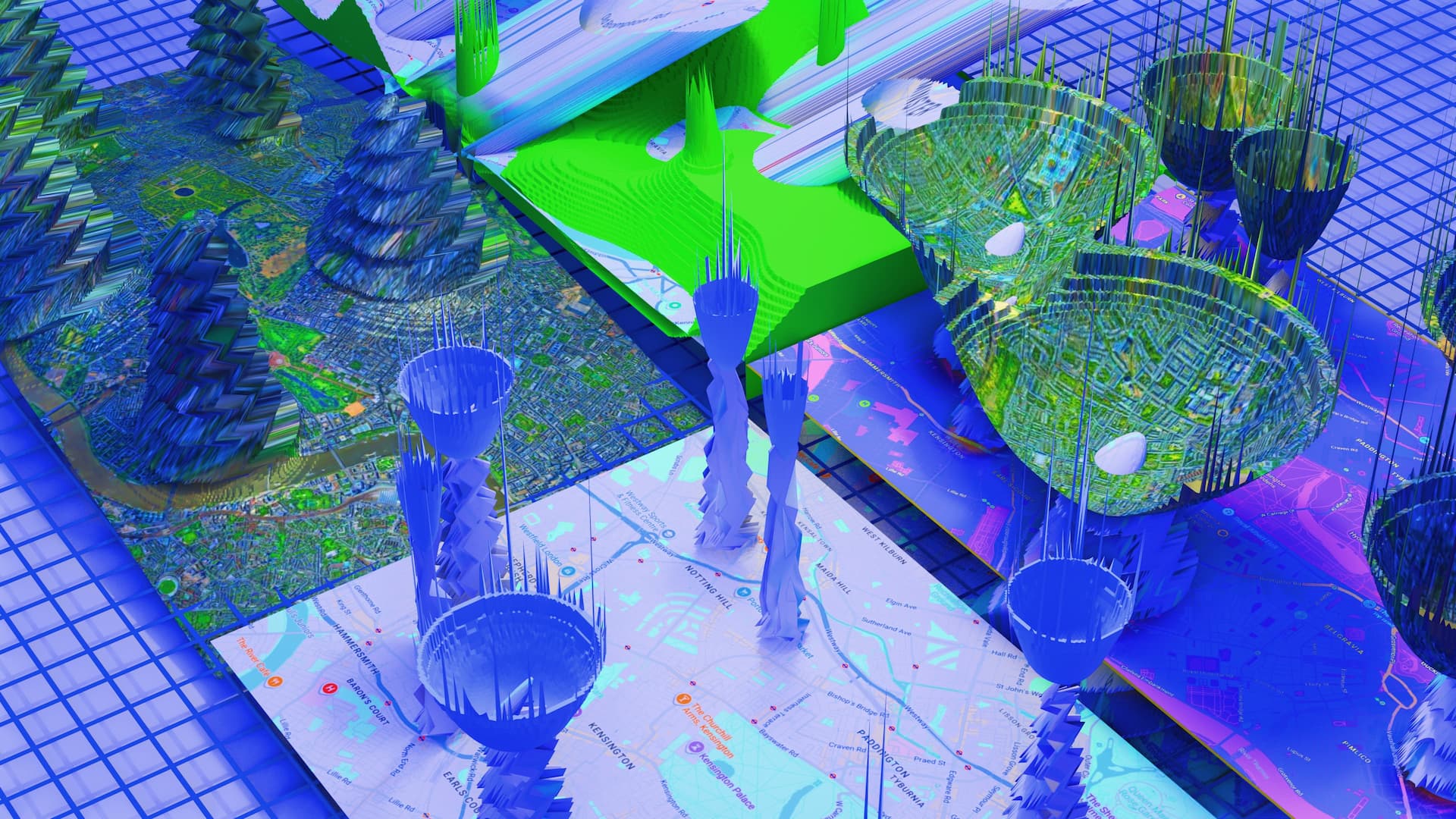
Articulated fragments are translated into a collective spatial field. Rather than reconstructing buildings, the system explores how relations between experiences and shared conditions can become visible through space.
As units accumulate, the field continuously shifts and transforms, forming an evolving shared spatial condition. The result is not a fixed architecture, but a dynamic environment shaped through ongoing participation.
발화된 파편들은 집단적 공간 장으로 번역된다. 건물을 재구성하는 대신, 시스템은 경험들과 공유된 조건들의 관계가 공간을 통해 어떻게 드러날 수 있는지를 탐구한다.
유닛들이 축적될수록 공간 장은 계속 이동하고 변형되며, 진화하는 공동의 공간 조건을 형성한다. 결과는 고정된 건축물이 아니라, 지속적인 참여 속에서 만들어지는 동적인 환경이다.


The project ultimately creates a shared space for discussion, reflection, and recognising how private experiences of home are shaped by shared realities.
Within the installation, individual experiences become visible in relation to others, allowing new ways of imagining dwelling to be explored and understood collectively.
궁극적으로 이 프로젝트는 토론, 성찰, 그리고 개인적인 주거 경험이 공유된 현실에 의해 어떻게 형성되는지를 인식하는 공간을 만든다.
설치 안에서 개인의 경험은 타인의 경험과의 관계 속에서 가시화되며, 새로운 거주의 방식들이 함께 탐색되고 이해될 수 있다.